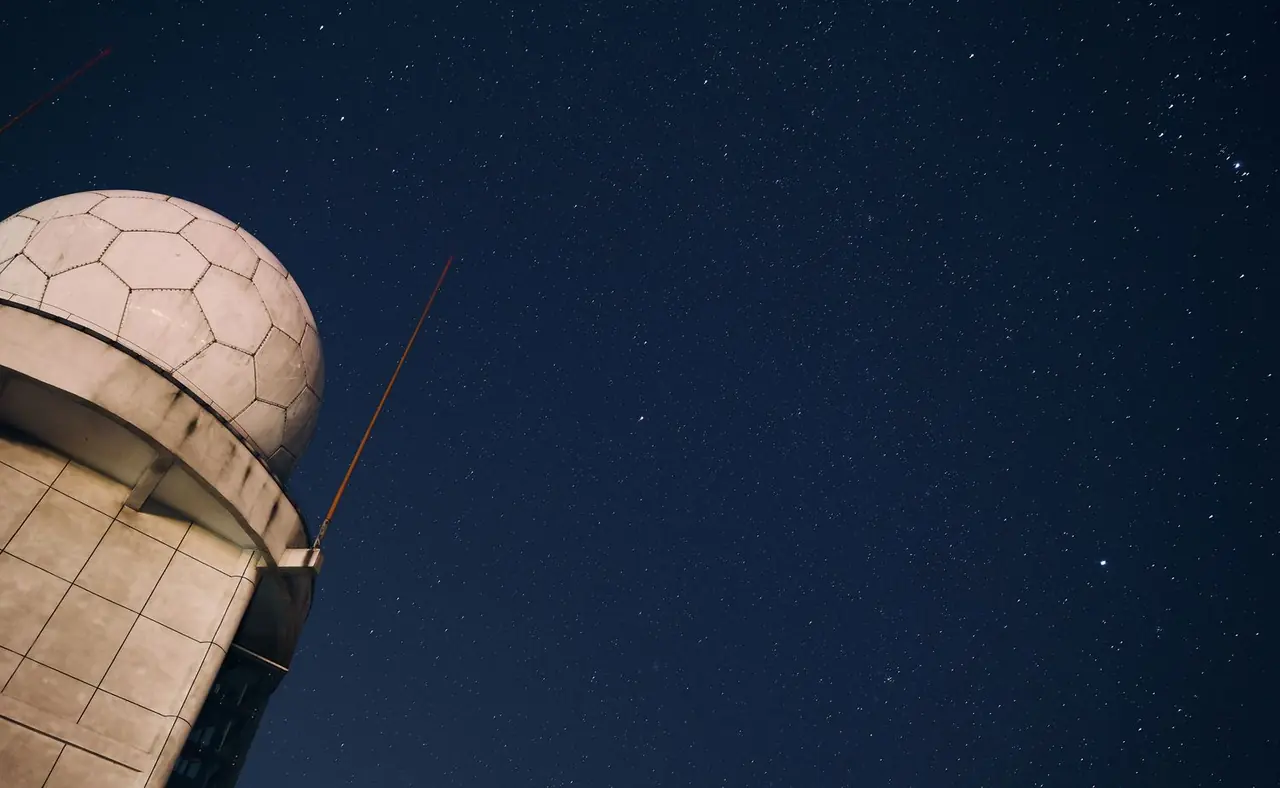
Advancing Human Knowledge Through the Stars
Pearl Bit Star Zau is dedicated to astronomical research, sky monitoring, and scientific discovery. We bridge the gap between complex space science and public inspiration through rigorous data collection and international collaborations.
Active Research & Scientific Discovery
Pushing the boundaries of astrophysics from the Southern Hemisphere.
Exoplanet Detection
Utilizing high-precision photometry to monitor transit events across distant stars, identifying potential Earth-like worlds in our galactic neighborhood.
Variable Star Analysis
Continuous observation of Cepheid and RR Lyrae variables to refine cosmic distance scales and understand stellar evolution dynamics.
Nebular Spectroscopy
Analyzing the chemical composition and ionization states of emission nebulae to map the enrichment of the interstellar medium.
Galactic Structure
Mapping the Southern celestial hemisphere to identify star clusters and dark matter distribution within the Milky Way's spiral arms.
Sky Monitoring & Data Infrastructure
Continuous Automated Surveys
Our observatory employs a fleet of automated wide-field telescopes that scan the night sky every clear evening. These systems are designed to detect transient phenomena, including supernovae, near-Earth asteroids, and gamma-ray burst afterglows.
Real-time telemetry ensures optimal focus and tracking, allowing for sub-arcsecond precision in all survey data collection.
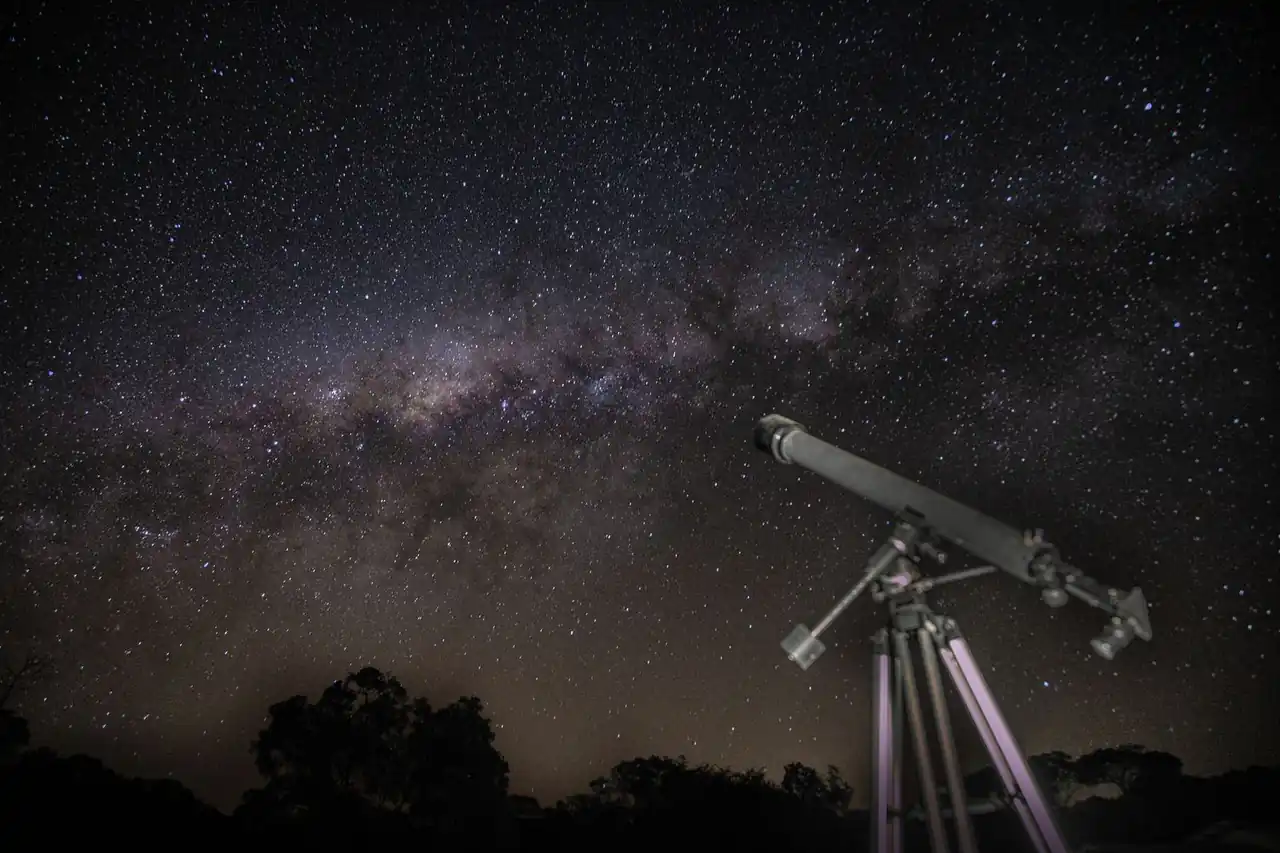
Automated Reduction Pipelines
Raw data is processed through our high-performance computing cluster. We utilize advanced algorithms for bias correction, flat-fielding, and plate-solving. Our pipeline transforms raw FITS files into calibrated scientific products in under 60 seconds.
Data formats adhere to international IVOA standards, ensuring compatibility with global astronomical databases.
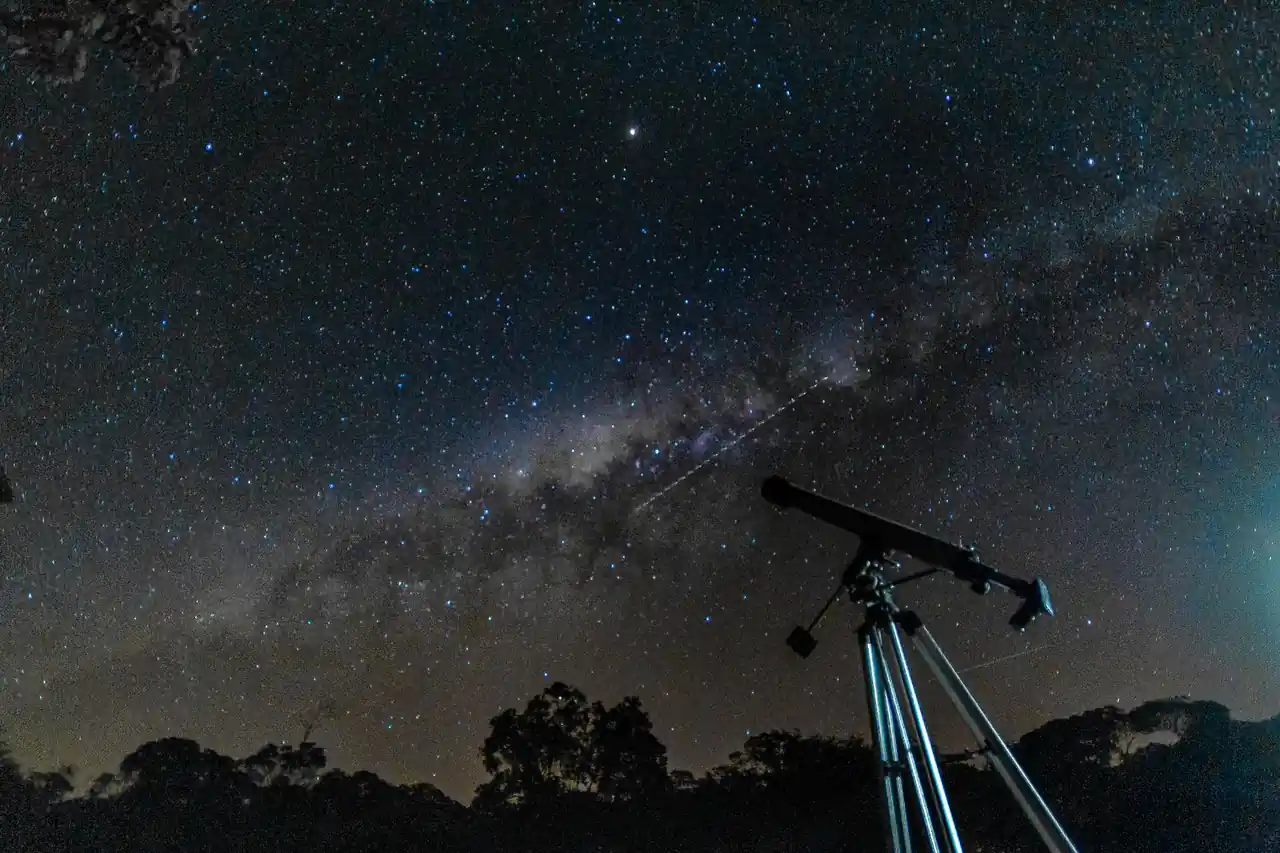
Open Science Archive
Pearl Bit Star Zau maintains a comprehensive digital archive of all observations. This repository serves as a critical resource for both professional researchers and educational institutions worldwide.
Researchers can request specific datasets or access our public-tier catalogs for meta-analysis and comparative studies.
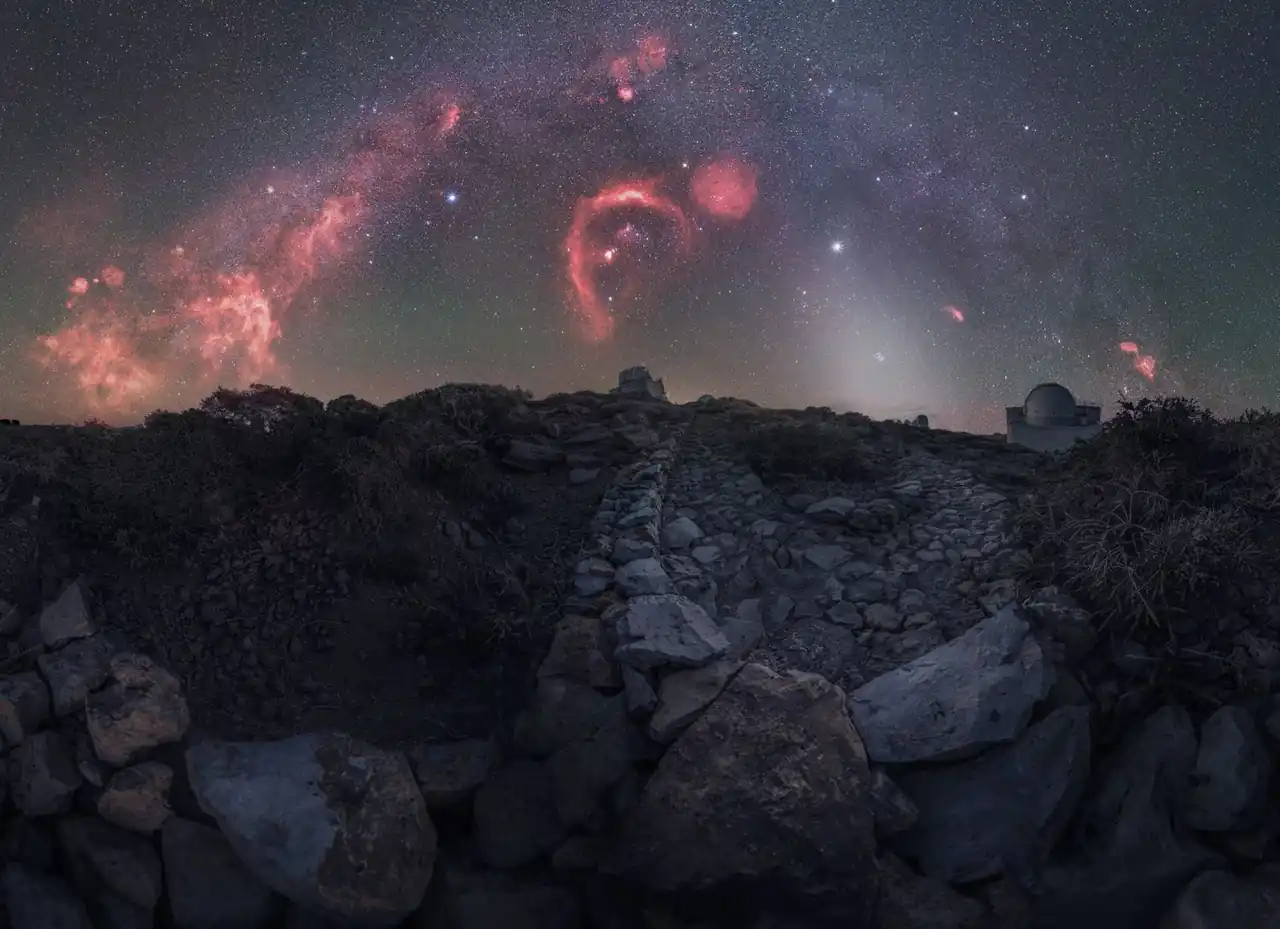
Global Scientific Network
Partnering with leading institutions to explore the final frontier.
University Partnerships
Joint research programs with major Australian and international universities, providing students with direct access to observatory facilities.
International Campaigns
Active participation in global observing campaigns for rare celestial events, coordinating data with observatories across all continents.
Grant-Supported Projects
Leading research initiatives funded by national science foundations focused on stellar evolution and galactic mapping.
Visiting Scholars
Hosting international astronomers for residency programs, fostering a rich environment of cross-disciplinary scientific exchange.
Instrumentation R&D
Collaborating with engineering firms to develop next-generation detectors and adaptive optics systems for enhanced observation.
Public Outreach Synergy
Working with educational organizations to translate complex research data into interactive exhibits for the general public.
Precision Instrumentation
Technical excellence at the heart of our discovery mission.
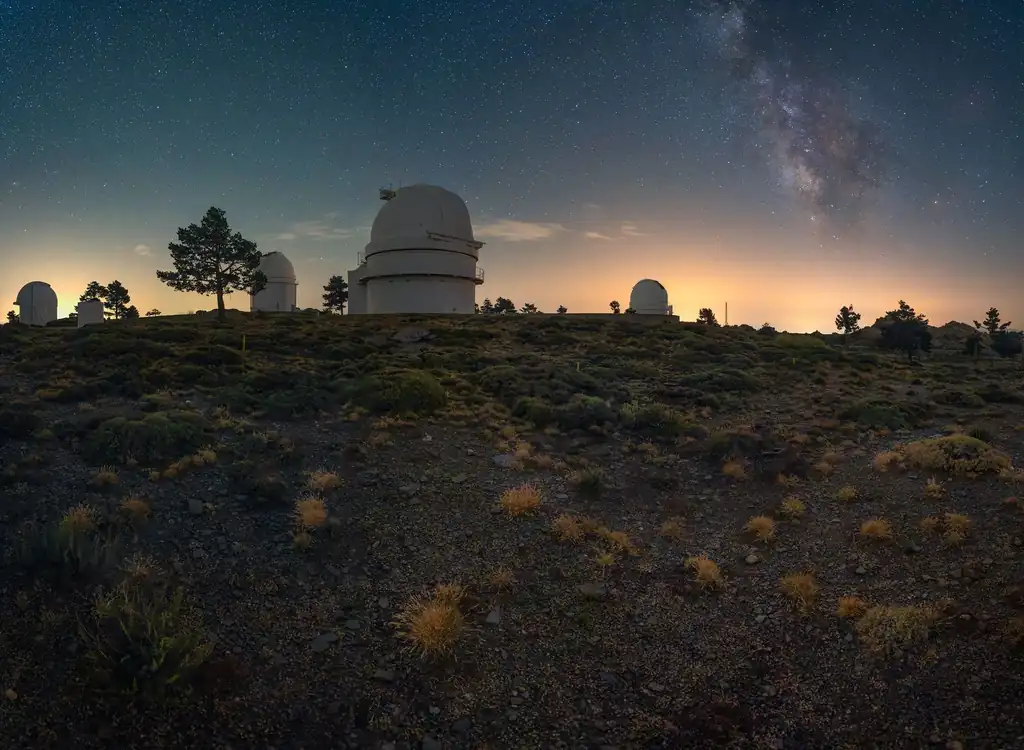
Robotic Mounts
Direct-drive tracking systems with sub-arcsecond pointing accuracy and zero-backlash movement for perfect long-exposure imaging.
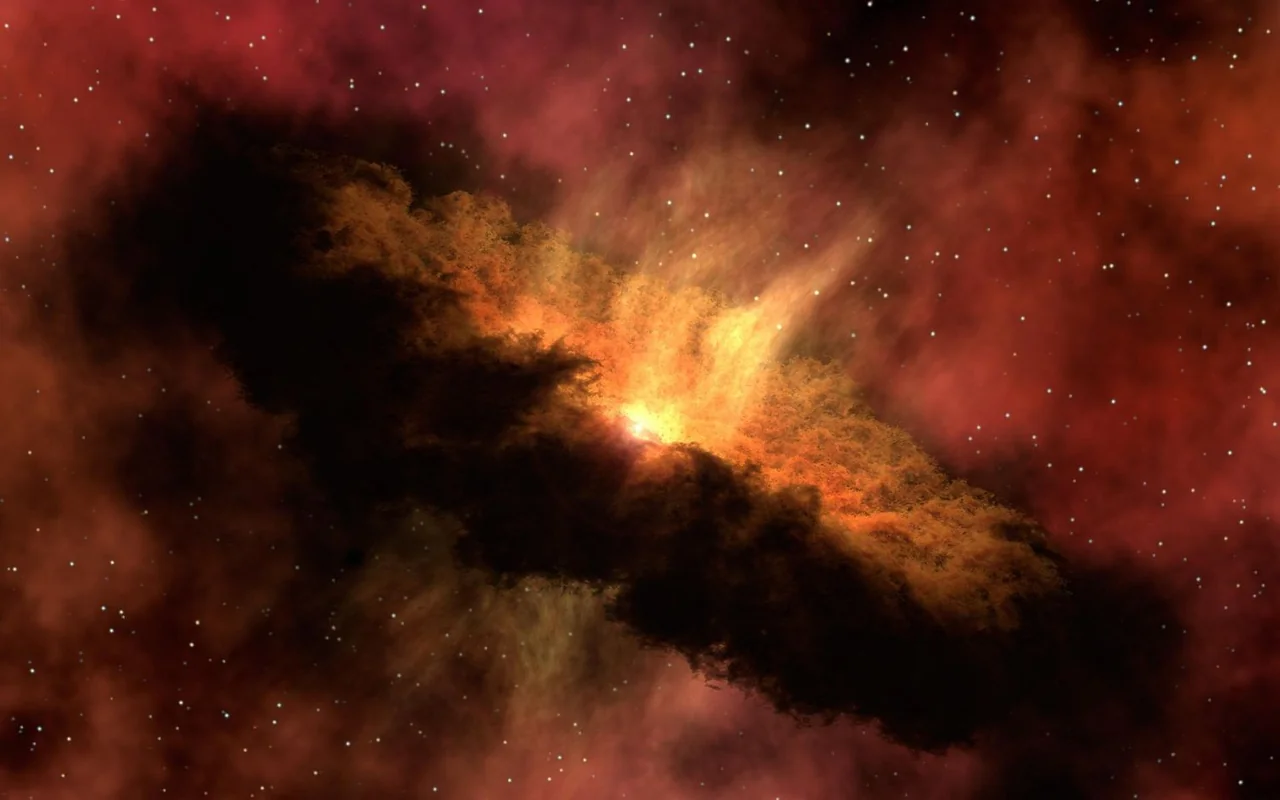
Cryogenic Detectors
Ultra-low noise CMOS and CCD sensors cooled to -80°C to maximize signal-to-noise ratios during deep-space observation.
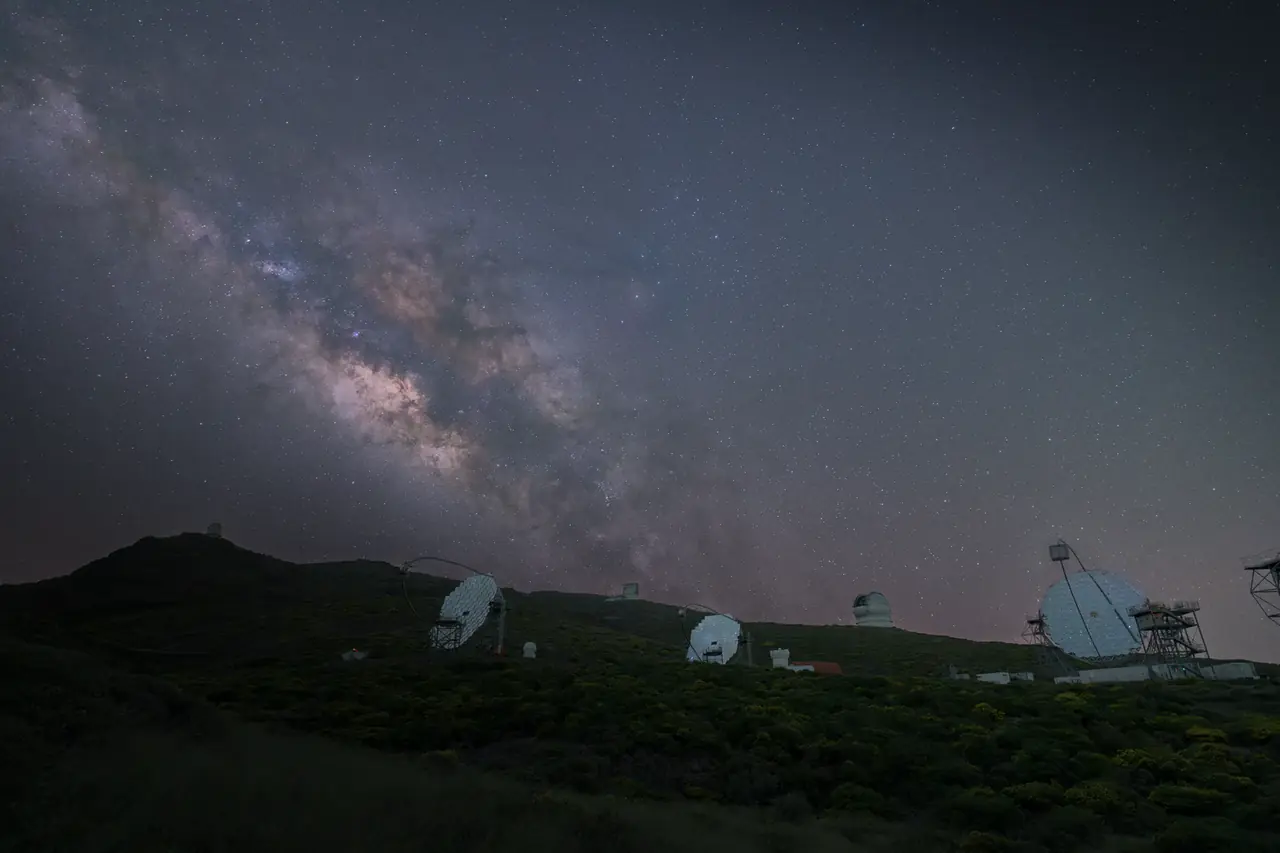
High-Res Spectrographs
Fiber-fed echelle spectrographs capable of measuring radial velocities with extreme precision for exoplanet confirmation.
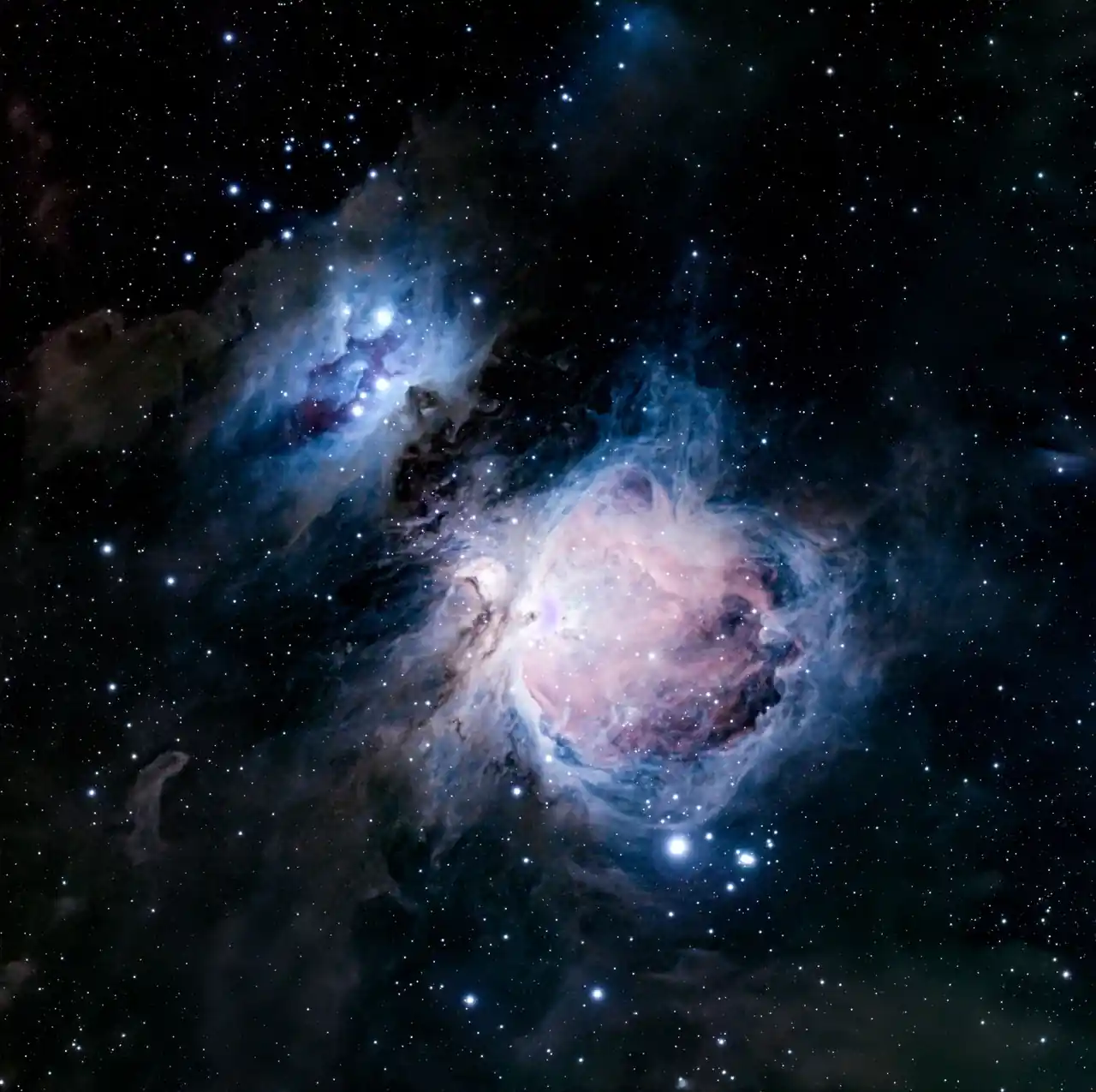
Adaptive Optics
Real-time atmospheric correction systems that counteract turbulence, delivering diffraction-limited resolution from the ground.
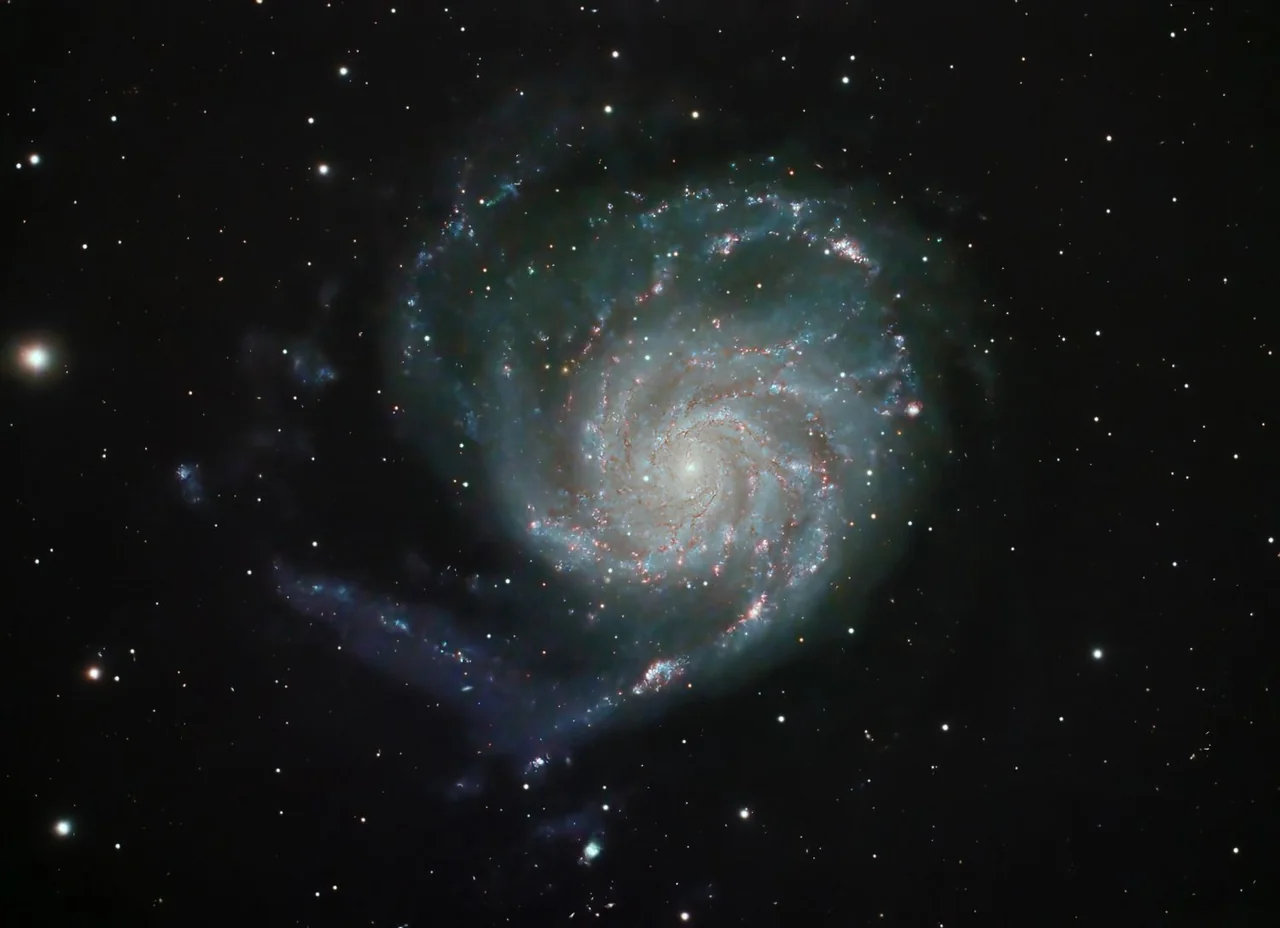
Calibration Protocols
Daily automated calibration routines including dark frames, bias, and twilight flats to ensure absolute photometric consistency.
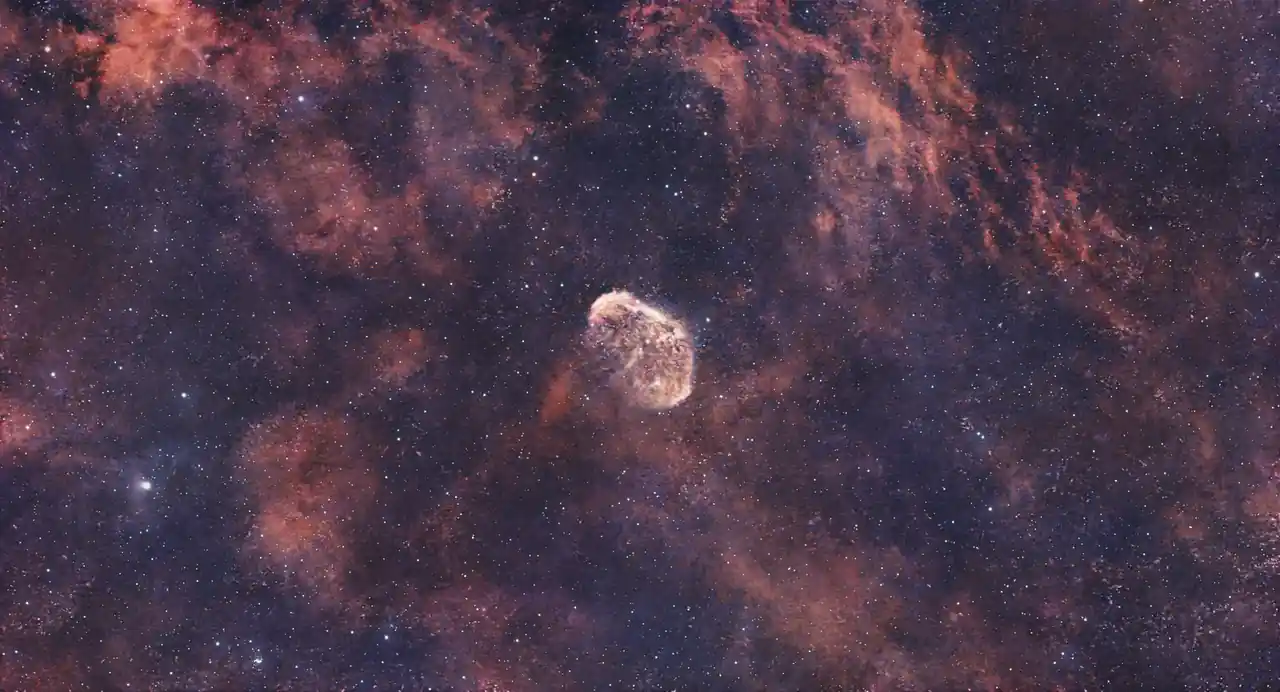
Smart Domes
Environmentally controlled enclosures that sync with telescope movement and monitor local weather to protect sensitive optics.
The Art & Science of Cosmic Imaging
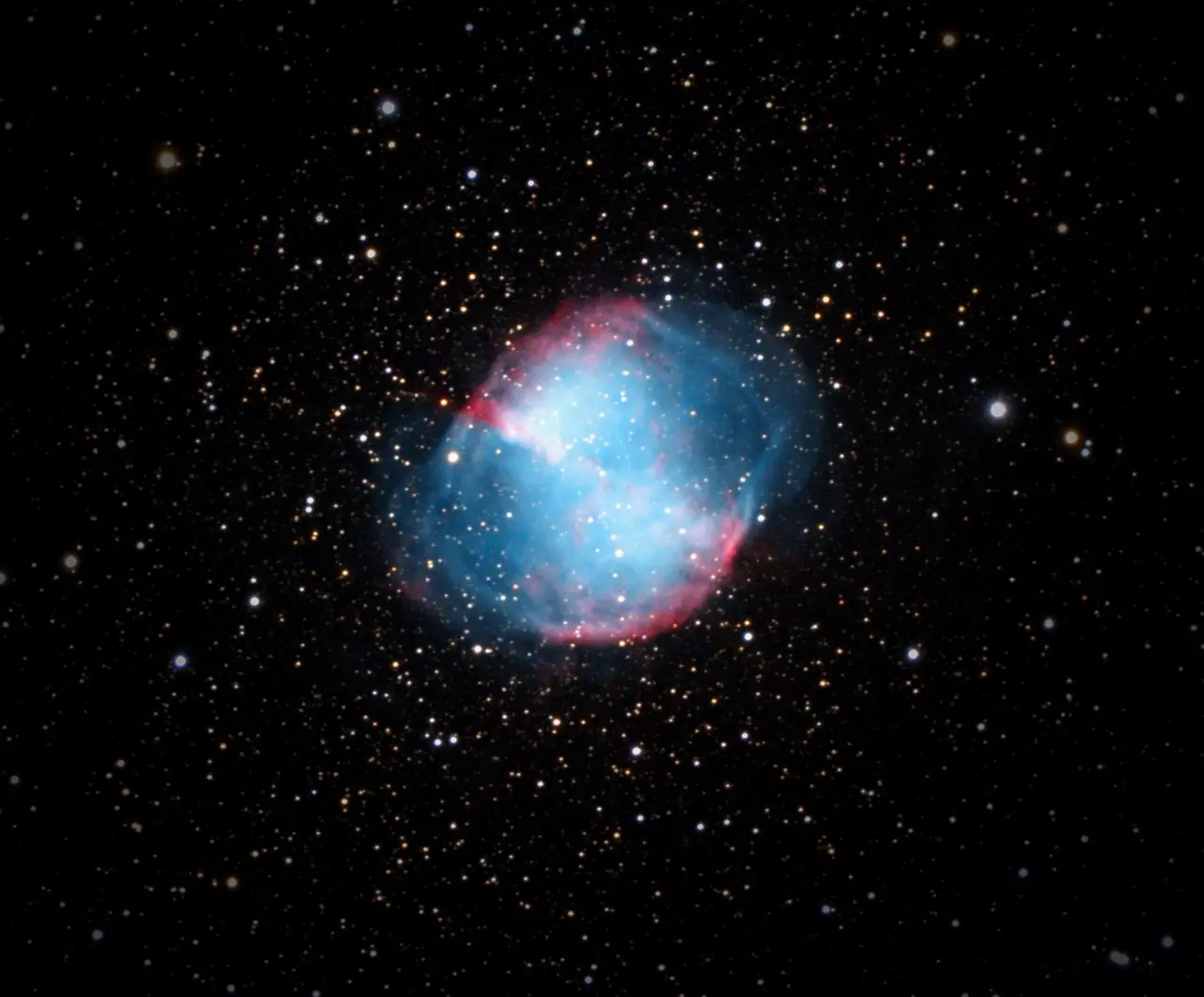
Narrowband & LRGB Workflows
Our imaging team utilizes advanced LRGB (Luminance, Red, Green, Blue) and Narrowband (H-alpha, OIII, SII) techniques to capture deep-space objects. Narrowband imaging allows us to isolate specific ionized gases, revealing the intricate structures of star-forming regions.
Sophisticated post-processing workflows ensure that every photon is accounted for, maintaining scientific integrity while creating breathtaking visual narratives.
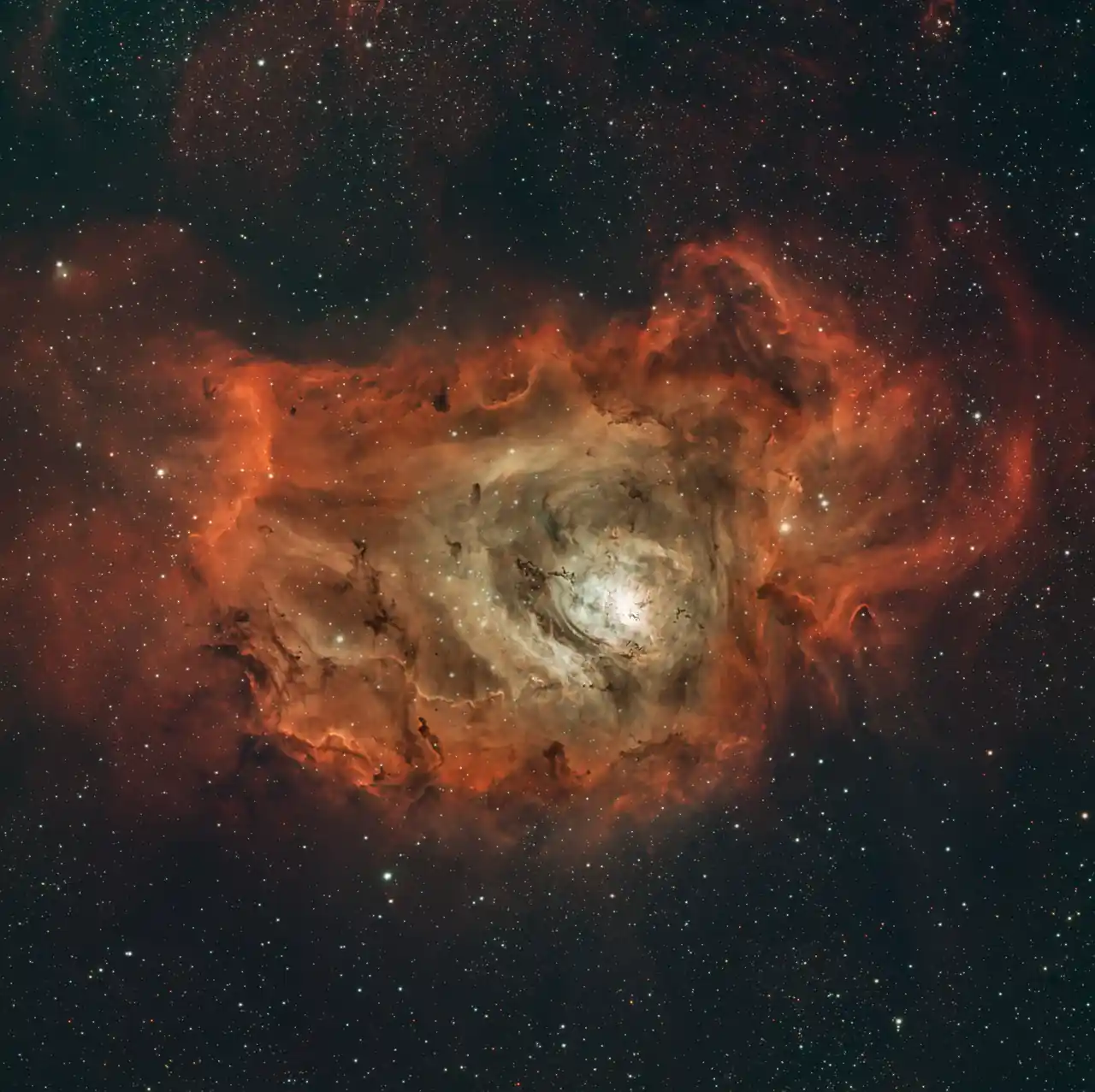
Bridging Data and Aesthetics
While scientific imaging focuses on linear data for measurement, outreach-grade imagery emphasizes dynamic range and color balance to inspire the public. We maintain two distinct processing tracks to serve both the scientific community and our visitor programs.
Every public image released by Pearl Bit Star Zau is accompanied by a technical breakdown of the data acquisition process.
Your Path to Discovery
Engaging the community in real-world astronomical research.
Foundational Training
Begin with our introductory modules on observational astronomy and data handling. Learn how to use our public data portals and identify key celestial features.
Data Analysis Workgroups
Join specialized teams focused on light curve analysis or galaxy classification. Use our cloud-based tools to process real data from our survey telescopes.
Observational Contributions
Advanced participants can apply for managed observing time or contribute data from their own equipment to our collaborative monitoring projects.
Discovery & Publication
Verified discoveries are credited to the citizen scientists involved, with opportunities to co-author papers and present findings at our annual symposium.